Bring Nature Indoors With
Stylish Greenery and Florals
Discover premium indoor plants, floral arrangements, and greenery displays
that bring life and style to any space. Our experienced team helps you create
vibrant, welcoming environments with ease.
Beautiful Plants and
Florals Made Simple
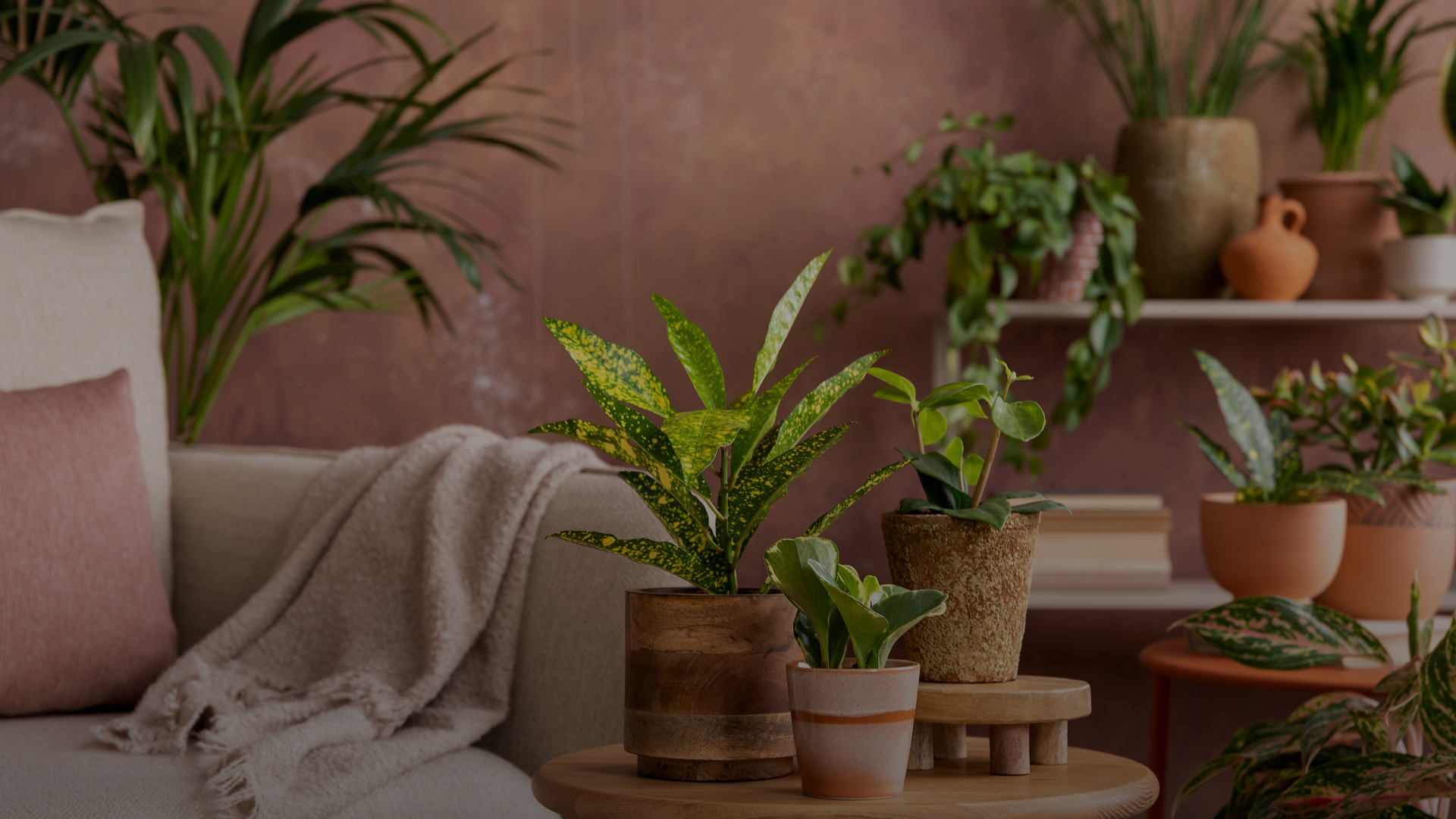
At Floral Decor, we believe every space feels better with a touch of nature. Whether you’re looking for beautiful indoor plants, bespoke floral arrangements or stylish greenery to enhance your home, office or event, our experienced team can help you find the perfect solution. With over 30 years of experience in plant design, installation and care, we source high‑quality plants and flowers that bring life, colour and freshness into any setting. From hand‑picked specimens to elegant displays and practical plant care advice, we make it easy to enjoy nature indoors. Explore our retail collection today and let us help you create spaces that look great and feel even better.
Plants
01
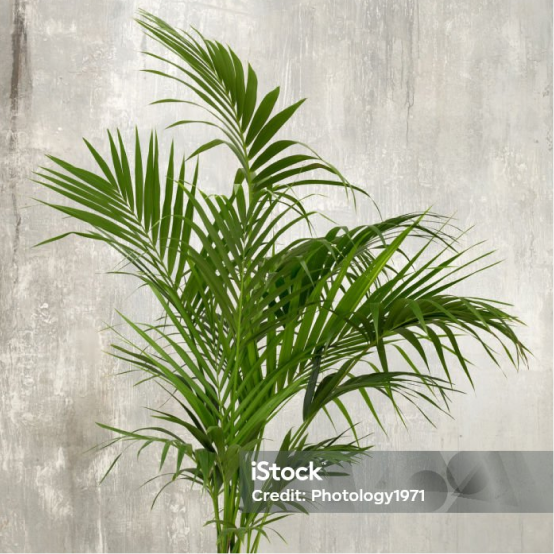
Kentia
Origin
The Kentia (Howea) forsteriana originates from the Australian island of Lord Howe. The export of this plant began in the 19th century, making it known worldwide and increasing its popularity as a house plant. The island’s ideal growing conditions, with high humidity and moderate temperatures, are characteristic of this plant’s needs.
Characteristics
Characteristic of the Kentia (Howea) forsteriana are the long, elegant palm leaves that have a deep green colour. This palm can reach a height of up to three metres, but grows slowly, about 20 cm per year. The Kentia palm is valued for its tolerance of low light, making it an ideal plant for indoor use.
Care
The care for the Kentia palm is moderately intensive. It requires well-drained soil and moderate watering. Overwatering can cause root rot, so it is important to only water when the top layer of the soil feels dry. The ideal environmental conditions for the plant include high humidity and temperatures between 15 and 27 degrees, similar to its natural habitat.

02
Dracaena
Origin
Draceana fragans species is native to tropical Africa. Thriving in the warm and humid climates of its homeland, it belongs in the Asparagus family, along with agaves and hostas.
Characteristics
This evergreen shrub that typically features a crane like stem from which leaves emerge in clusters at the top. In Ireland they are ornamental indoor plants. Its air purifying process removes toxins from the air which makes it an essential addition for both homes and offices.
Care
Caring for the Dracaena fragrans is relatively straightforward, making it a popular house plant. It thrives in indirect light, but can also survive in shady areas. The plant requires regular watering, but it is important to prevent the soil from becoming too wet, as this can cause root rot. The Dracaena fragrans is best planted in a spacious planter with a well-draining soil mix. It is advisable to repot the plant annually to promote growth and health.
03
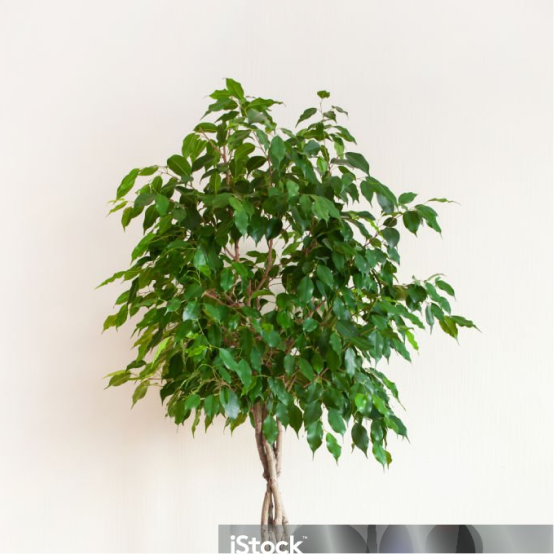
Ficus Benjaminia
Origin
The Ficus benjamina , also known as the ‘Weeping Fig’, is originally a tropical plant from Southeast Asia and Australia. This plant belongs to the mulberry family (Moraceae) and is known in its area of origin for its large, lush shape and enormous growth power.
Characteristics
The Ficus benjamina is characterized by its dark, shiny leaves that grow in dense clusters. This plant has a compact shape and usually grows 80 to 150 cm tall. The trunk is often formed irregularly, contributing to the unique appearance of the plant. The ‘Danielle’ is appreciated for its air-purifying properties, contributing to a healthy indoor climate.
Care
The Ficus benjamina requires specific care to thrive. The plant thrives best at a constant temperature between 16 and 24 degrees Celsius and needs a lot of light, but cannot tolerate direct sunlight. The plant needs regular watering but must not stand in water. It is recommended to fertilise the plant every two weeks during the growing season. Once established, the plant requires relatively little maintenance and can last for several years.
04
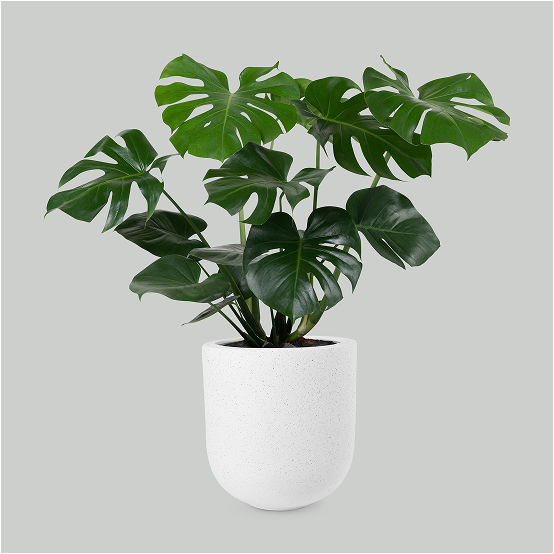
Monstera
Origin
The Monstera deliciosa, also known as the Swiss Cheese Plant, is originally from the tropical rainforests of Central and South America. Here, the plant grows in the wild on the dark forest floor or in trees, where it can climb to get more light. Its natural habitat is a humid environment with moderate temperatures and plenty of shade.
Characteristics
The Monstera deliciosa is a vigorous green houseplant with large, shiny leaves that can become up to 30 cm wide. The deep incisions in the leaves, which give the plant an exotic appearance, is characteristic for this plant. The plant can grow into a large bush or, with the help of a moss pole, a climbing plant. Under favourable conditions, the Monstera deliciosa can bloom and produce a distinctive white-green flower that can become up to 20 cm long.
Care
The Monstera deliciosa requires a light position, out of direct sunlight. The plant cannot withstand frost and performs well at temperatures between 18 and 25 degrees Celsius. The Monstera deliciosa has a moderate need for water; overwatering can cause root rot. It is best to let the soil dry out a bit before watering again. The plant also likes high humidity, but generally does well indoors. The plant can be pruned if necessary to control its size or to stimulate new growth.
05
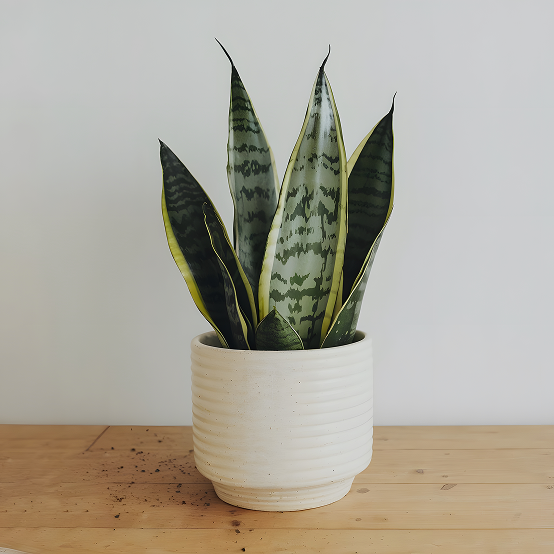
Sansevieria
Origin
Sansevieria, commonly known as the Snake Plant, is native to the tropical regions of West Africa. It naturally grows in dry, rocky environments, which contributes to its exceptional resilience and drought tolerance.
Characteristics
This evergreen plant is recognised for its upright, sword-shaped leaves with distinctive green and variegated patterns. Its striking architectural form makes it a popular choice for modern interiors, offices, and commercial spaces.
Care
Sansevieria is extremely low maintenance and adapts well to a variety of indoor conditions. It thrives in both bright indirect light and low-light areas. Water sparingly, allowing the soil to dry completely between waterings, and avoid overwatering to prevent root rot.
Add reaction
06
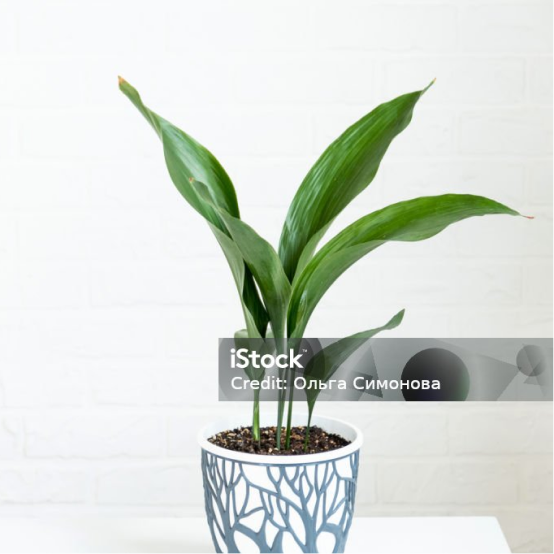
Aspidistra
Origin
The Aspidistra elatior, better known as the ‘Cast Iron Plant’, has its origin in the Far East. This plant is mainly found in the forests of Japan and Taiwan. It inhabits areas that range from shady low forests to higher altitudes in the mountains, where the climate is cool and humid.
Characteristics
The Aspidistra elatior is a very resilient green plant that is popular because of its ability to survive under difficult conditions. It has broad dark green leaves that rise from the base of the plant, growing to an average height of 90 cm. It is a slow grower and rarely flowers, but when it does, the flowers are small and purplish black and grow at the base of the plant.
Care
The Aspidistra elatior requires relatively little care. This plant tolerates a wide range of light conditions, but it thrives best in partial shade or indirect light. The ideal water requirement varies based on the light exposure; the more light, the more water. In general, the plant prefers moderately moist soil and regular fertilizing during the growing seasons is beneficial. Extreme heat, cold temperatures, and overwatering should be avoided, however, to prevent root rot.
07
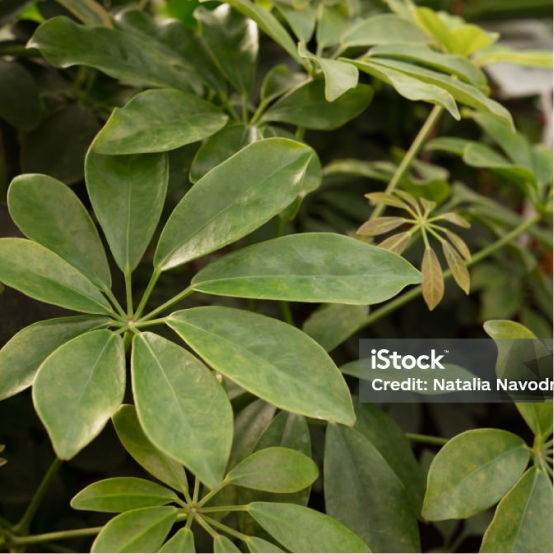
Schefflera Amate
Origin
The Schefflera actinophylla ‘Amate’, also known as the umbrella plant, has its origin in the humid subtropical and tropical forests of Australia. This plant can be found in the wild along riverbanks and rainforests. The Schefflera actinophylla ‘Amate’ is part of the ivy family (Araliaceae).
Characteristics
The Schefflera actinophylla ‘Amate’ has a strikingly distinctive appearance with green leaves arranged in clusters, each consisting of 7 to 16 leaflets, giving the plant its typical umbrella look. The plant is capable of reaching a height of 15 metres in its natural environment, although it usually stays much smaller in indoor conditions. During the growth period, the plant develops red or pink flowers, growing in radiating clusters.
Care
The correct care of the Schefflera actinophylla ‘Amate’ includes a sunny to semi-shady location, preferably without direct midday sun. The plant requires regular watering, but it is essential to avoid water accumulation to prevent root rot. The ideal indoor temperature for the ‘Amate’ ranges between 18 and 22 degrees Celsius. The plant also requires a high humidity level, which can be achieved by regular spraying.
08
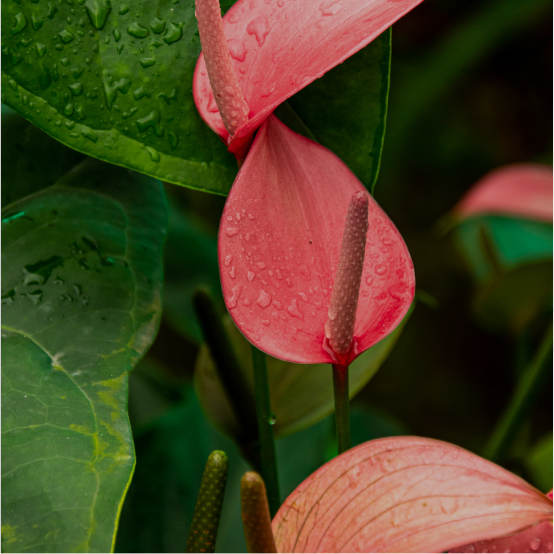
Anthuriums
Origin
The Anthurium ‘Maine’ originally comes from the tropical rainforests of Central and South America. More specifically, this plant comes from the country of Colombia. The Anthurium genus includes about 1000 species, among which is the ‘Maine’. This species was introduced in Europe around the 19th century.
Characteristics
The Anthurium ‘Maine’ is an evergreen plant with striking red or orange flowers, reminiscent of a flamingo. This plant is characterised by its glossy, heart-shaped leaves and its high ornamental value. The flowers consist of a single bract and a spadix, and the ‘Maine’ has the trait of flowering for a long time from late spring to early autumn. The Anthurium ‘Maine’ can grow up to a height of 60 cm.
Care
The Anthurium ‘Maine’ requires a well-draining soil and sufficient light, but doesn’t require direct sunlight to grow. This plant requires high humidity, so it ideally suited in bathrooms or kitchens. Watering should be moderate, with the soil allowed to dry out slightly between watering instances. Overwatering can lead to root rot, so it’s important to prevent this. The temperature at which the plant thrives varies between 15 and 25 degrees Celsius.
09
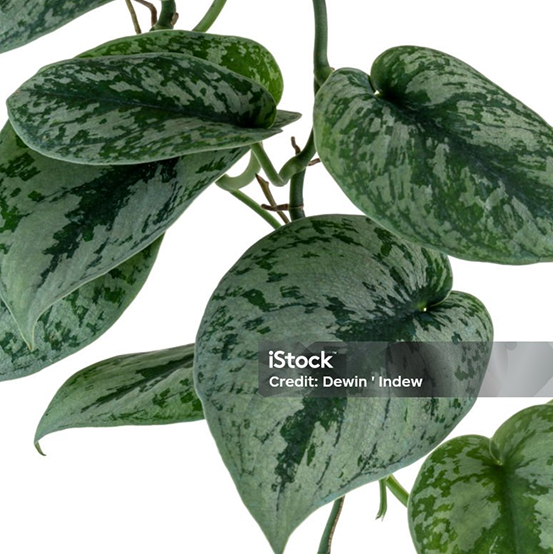
Philo Scandens
Origin
The Philodendron scandens, also known as the Heartleaf Philodendron, has its origin in Central and South America. It typically grows in the shady understory of the rainforest. Over the years, the plant has grown into a popular houseplant worldwide and is now largely cultivated in nurseries.
Characteristics
The Philodendron scandens is an evergreen climbing or hanging plant that is characterised by its heartshaped, glossy leaves. The plant grows rapidly and can reach up to 4 meters in height or length in the wild. Under favourable conditions, this plant can develop aerial roots that aid in the absorption of nutrients and attachment to supporting surfaces.
Care
For the care of a Philodendron scandens, it is important that it is placed in a partially sunny to shady location. The plant prefers a well-drained soil that is regularly moistened. Moreover, this plant requires high humidity, so spraying the leaves with water can be beneficial. If leaf loss or yellowing of the leaves is suspected, the plant can benefit from a rich fertiliser. However, it is important to avoid over-fertilisation, as this can damage growth.
10
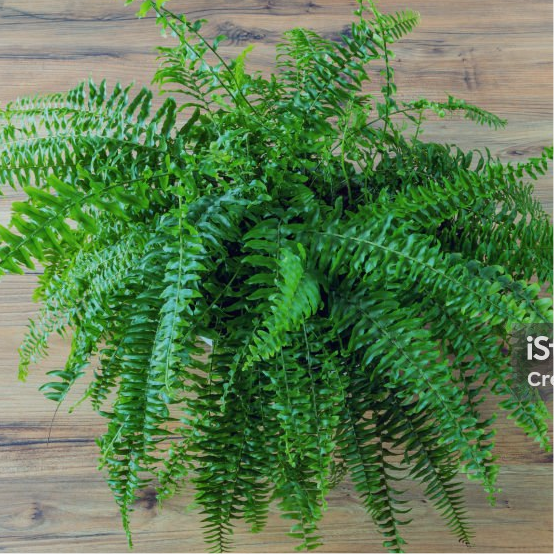
Ferns
Origin
The Asparagus setaceus plumosus, commonly known as the Asparagus Fern, is a plant that originally hails from South Africa. It is a perennial plant that primarily occurs in deciduous forests and at the edges of rivers in its natural habitat. The Asparagus setaceus plumosus was introduced to Europe by Dutch horticulture and, due to its decorative appearance, has been widely adopted as a houseplant.
Characteristics
This houseplant is characterised by its fine, feather-like, needle-like leaves and its sprawling growth habit. It produces small white or pale pink flowers during the summer months, which later develop into red berries. The Asparagus setaceus plumosus can reach a height of 1 to 1.5 metres when fully grown. This plant is appreciated for its ornamental value, primarily due to the visual softness it provides in typically harsh urban environments.
Care
Caring for the Asparagus setaceus plumosus is relatively easy. An ideal location has plenty of indirect light, and temperatures between 15 and 25 degrees Celsius. To maintain the plant’s health, it is recommended to keep the soil evenly moist, but avoiding waterlogging. Dry air can negatively influence growth; a relative humidity between 50 and 60 percent is recommended. The Asparagus setaceus plumosus is generally not particularly susceptible to pests, but a regular check for issues such as spider mites and thrips is advisable.
Some of our best selling planters
01
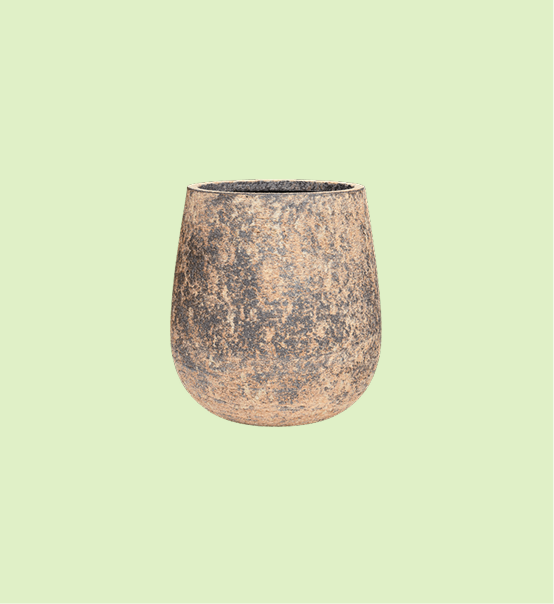
Baq Atlas
The Baq Atlas planter is part of the Atlas collection, where each planter is characterised by a roughed surface structure and a unique blend of colours, making every pot one of a kind. The planter is made from fiberstone, a combination of fibreglass and crushed stone that ensures a very strong yet lightweight construction.
Thanks to the roughed structure, the pot has a distinctive appearance. Suitable for both outdoor and indoor use, the planter is frost resistant, allowing it to remain outside during cold periods without the risk of damage. In addition, the pot is uv resistant, which provides protection against discolouration and damage from sunlight. There is a drainage hole in the bottom of the planter, so excess water can be efficiently drained away.
02
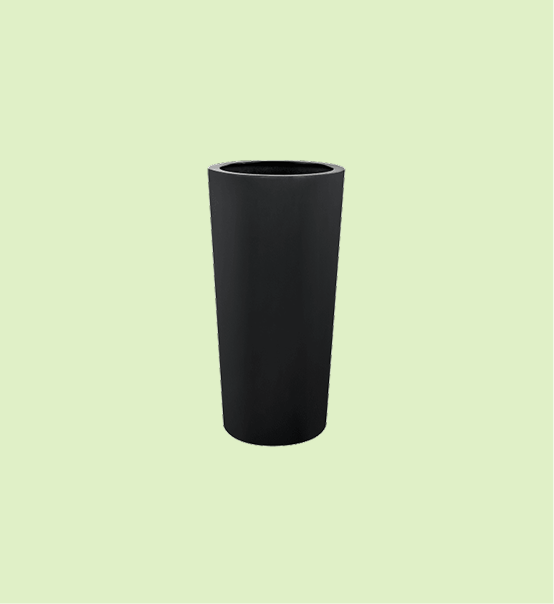
Argento
The planter by Luca Lifestyle from the Argento collection is made of fiberstone, a mixture of fibreglass and crushed stone known for its high strength and light weight. The structure of the planter is smooth and the finish is matt.
This product is suitable for both outdoor and indoor use and is frost resistant, allowing the planter to remain outside during cold periods without being damaged. Additionally, the planter is UV resistant, meaning it is protected against discolouration and damage caused by exposure to sunlight. At the bottom of the planter there is a drainage hole for efficient removal of excess water.
03
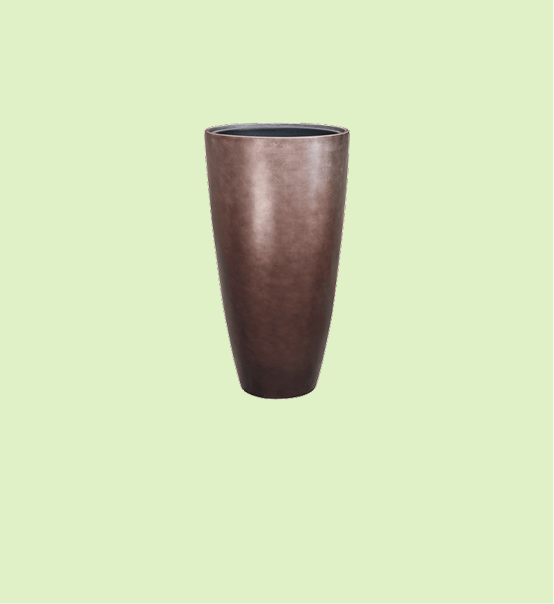
Baq Metallic Silver Leaf
The Baq planter from the Metallic collection is a handmade product that is fully covered with silver leaf and then finished with a layer of lacquer. This planter is made of polyresin, a sturdy material composed of a mixture of ground stone and resin. The structure of the planter is smooth and the finish is lacquered. This product is suitable for indoor use only. The planter is including liner, making it easy to assemble and simplifying maintenance.
04
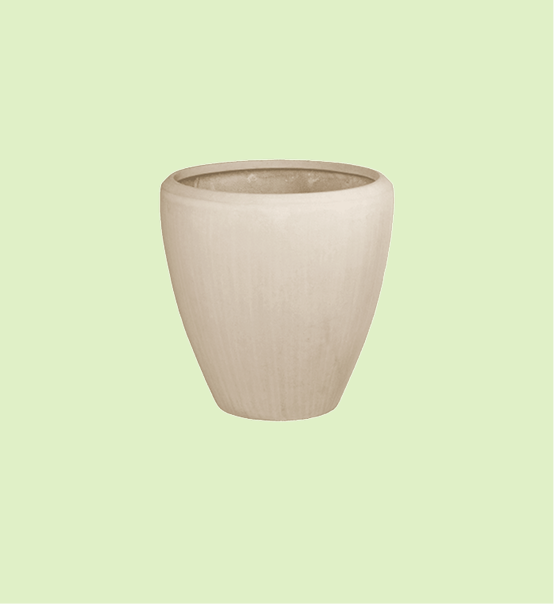
Baq Polystone Plain
The Baq planter from the Polystone collection is made from polystone, a combination of synthetic material and ground limestone. This material is characterised by the same appearance as natural stone, while being surprisingly lightweight. The structure of this planter is smooth and the finish is matt. Suitable for indoor use.
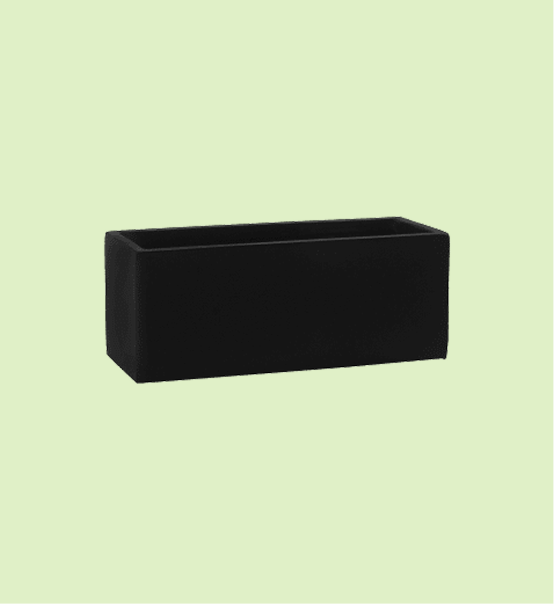
05
Fiberstone
This planter by Pottery Pots is part of the Natural collection and is made of fiberstone. Fiberstone is a mixture of fibreglass and crushed stone and is characterised by a combination of a very strong structure and light weight. The structure of the planter is smooth, and the matt finish on the exterior provides a modern appearance. Thanks to the material used and the finish, this planter is suitable for both outdoor and indoor use.
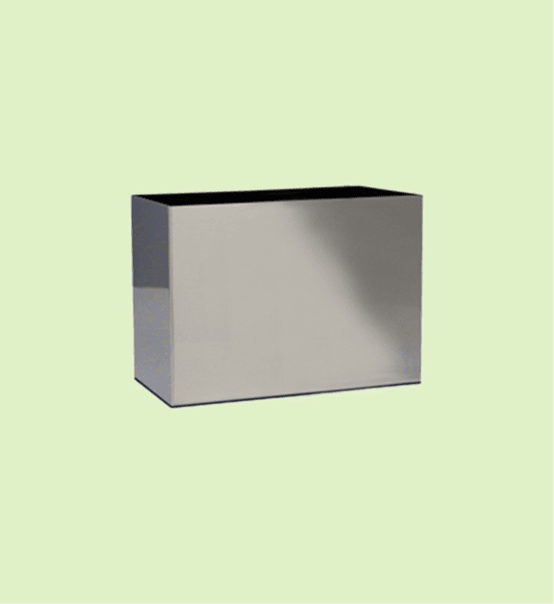
06
Parel
The Superline planter from the Trend collection is manufactured from stainless steel and has a smooth structure. The finish is lacquered, which ensures a sleek appearance and extra protection of the material. This planter is specifically designed for indoor use and is UV resistant. Thanks to this property, the planter is resistant to ultraviolet radiation, ensuring it is protected against discolouration and damage from sunlight.
“We’ve been using Floral Decor for nearly a decade now, and they’ve consistently exceeded our expectations. From the very first consultation, they took the time to understand the look and feel we wanted for our office space. The plant displays they recommended were not only visually stunning but also perfectly suited to the lighting and layout of our building.
What really sets them apart is their ongoing maintenance service — it’s absolutely seamless. The team comes in regularly, keeps everything in perfect condition, and somehow always manages to do it without disrupting our day-to-day operations. The plants are always healthy, vibrant, and immaculately presented.
Our clients constantly comment on how welcoming and professional the space feels, and I genuinely believe the greenery makes a huge difference.”

“From the very first meeting, they made sure to fully understand the atmosphere we wanted to create in our office. The plant arrangements they suggested were not only beautiful but also perfectly matched the lighting and layout of our space.
What truly distinguishes them is their exceptional maintenance service — it runs effortlessly in the background. Their team visits regularly, keeps every plant in top condition, and somehow manages to do so without interrupting our daily work. The displays always look fresh, vibrant, and flawlessly maintained.
Visitors often mention how inviting and professional our office feels, and I’m convinced that the greenery plays a big part in that overall impression.”
“We’ve been using Floral Decor for nearly a decade now, and they’ve consistently exceeded our expectations. From the very first consultation, they took the time to understand the look and feel we wanted for our office space. The plant displays they recommended were not only visually stunning but also perfectly suited to the lighting and layout of our building.
What really sets them apart is their ongoing maintenance service — it’s absolutely seamless. The team comes in regularly, keeps everything in perfect condition, and somehow always manages to do it without disrupting our day-to-day operations. The plants are always healthy, vibrant, and immaculately presented.
Our clients constantly comment on how welcoming and professional the space feels, and I genuinely believe the greenery makes a huge difference.”
“From the very first meeting, they made sure to fully understand the atmosphere we wanted to create in our office. The plant arrangements they suggested were not only beautiful but also perfectly matched the lighting and layout of our space.
What truly distinguishes them is their exceptional maintenance service — it runs effortlessly in the background. Their team visits regularly, keeps every plant in top condition, and somehow manages to do so without interrupting our daily work. The displays always look fresh, vibrant, and flawlessly maintained.
Visitors often mention how inviting and professional our office feels, and I’m convinced that the greenery plays a big part in that overall impression.”